
A Recap from the Ninth Annual Real Estate Outlook
What do a bowling alley, town landfill, church turned rug shop, and a decommissioned power plant have in common? Each of the four locations has been reimagined and is now home to unique nonprofits, all of which enrich Fairfield County. At FLB Law's ninth annual Real Estate Outlook on Nov. 17, leaders from each nonprofit shared their organization’s history, highlighted program offerings, and suggested the best ways that the community can provide support.
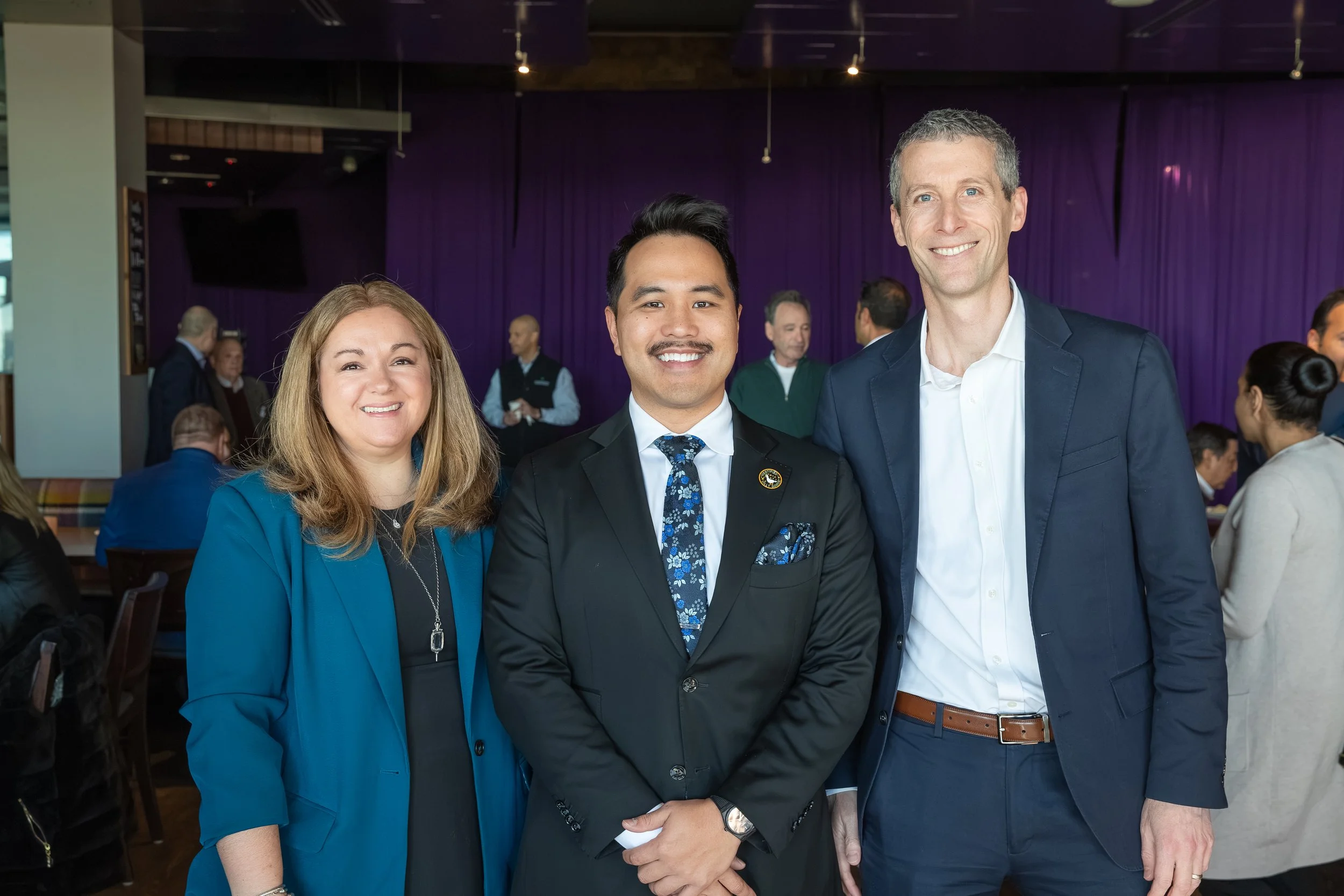
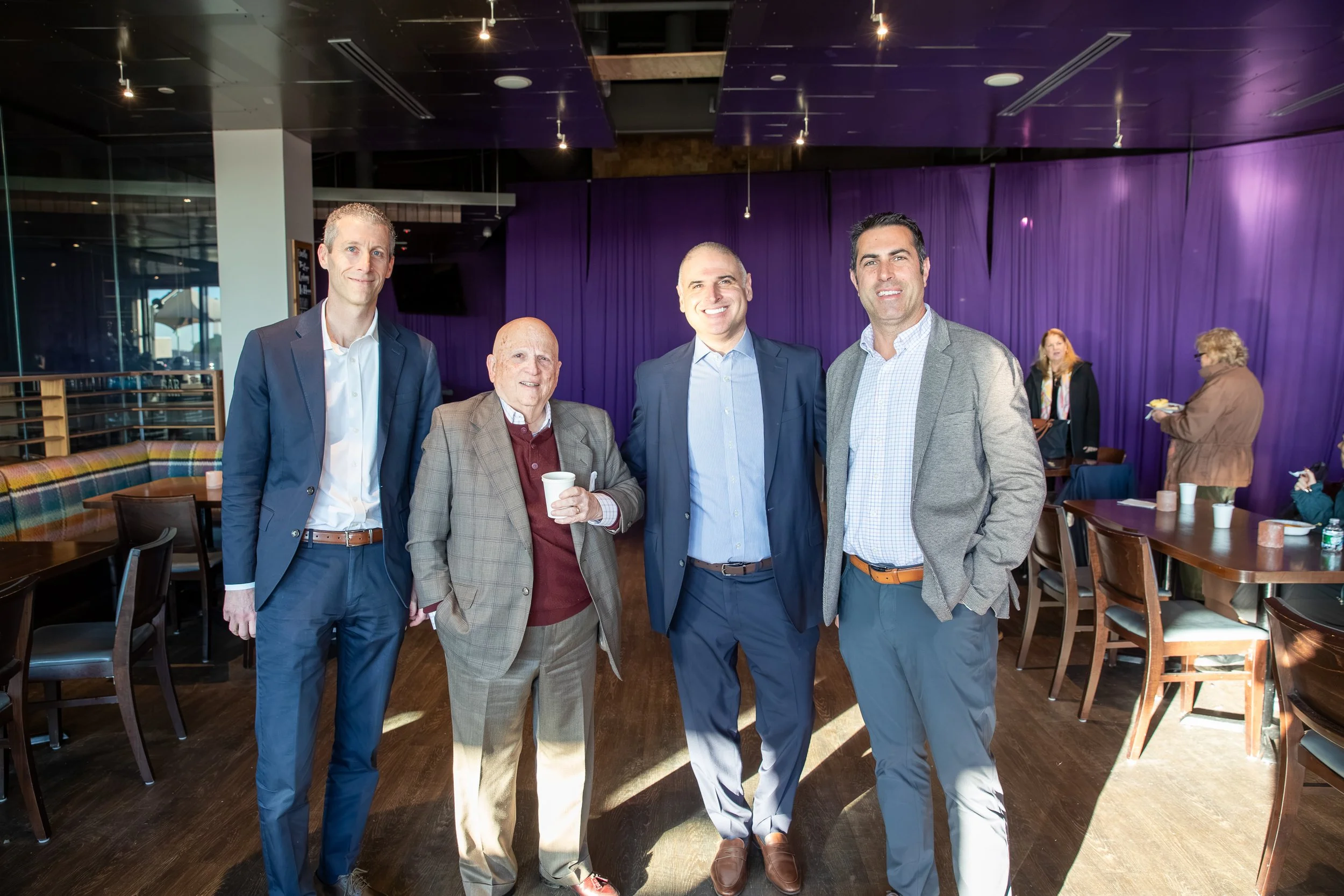
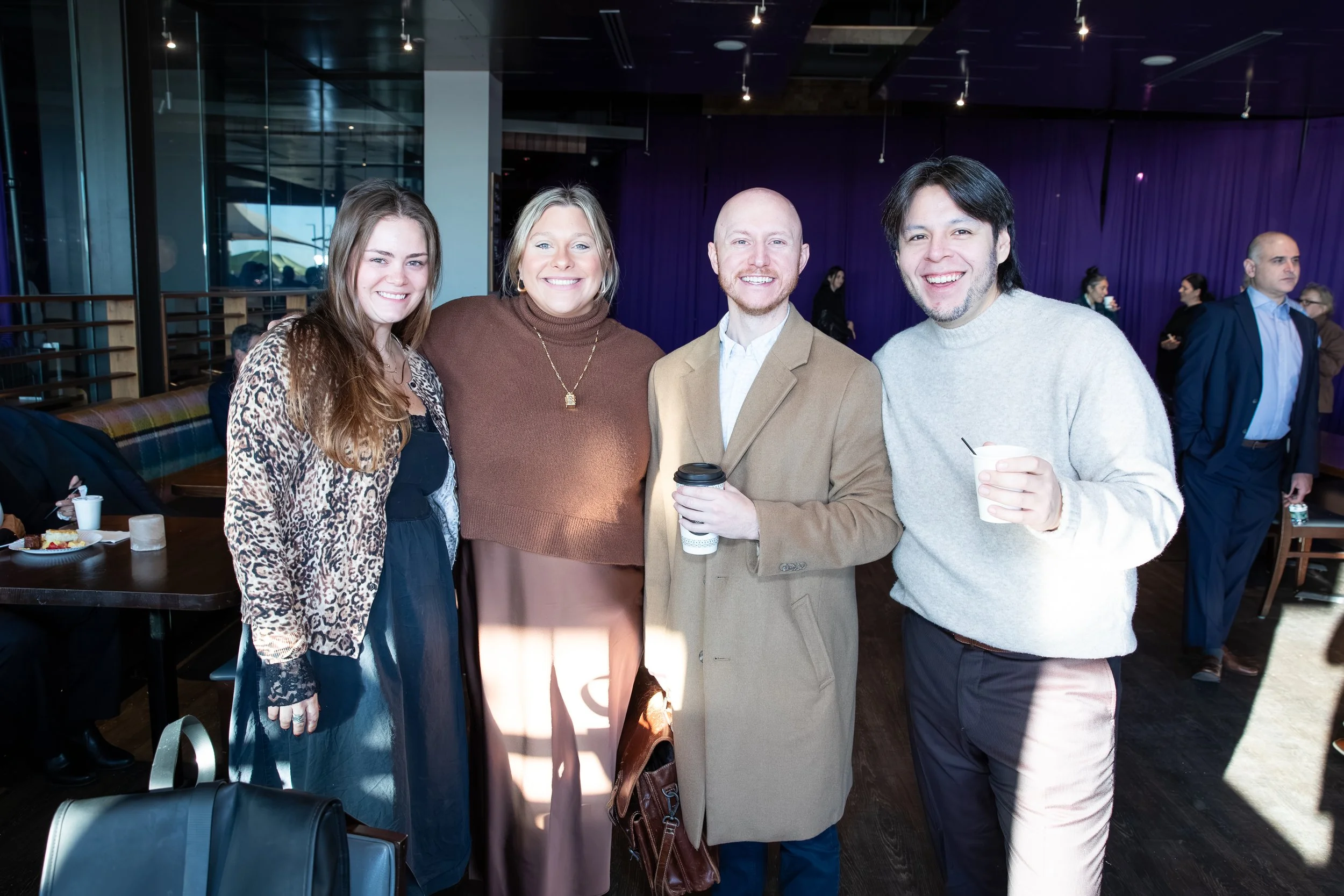
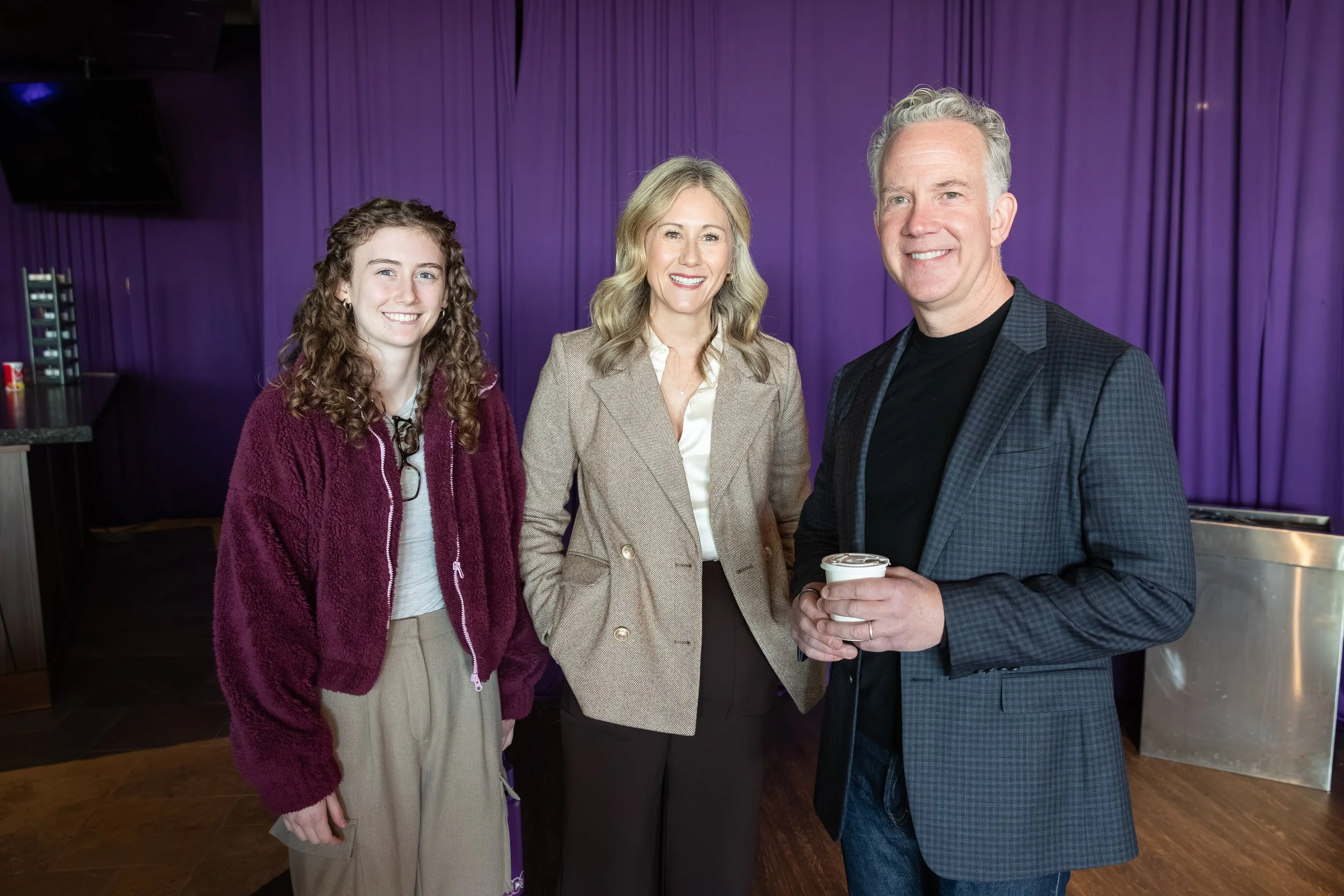
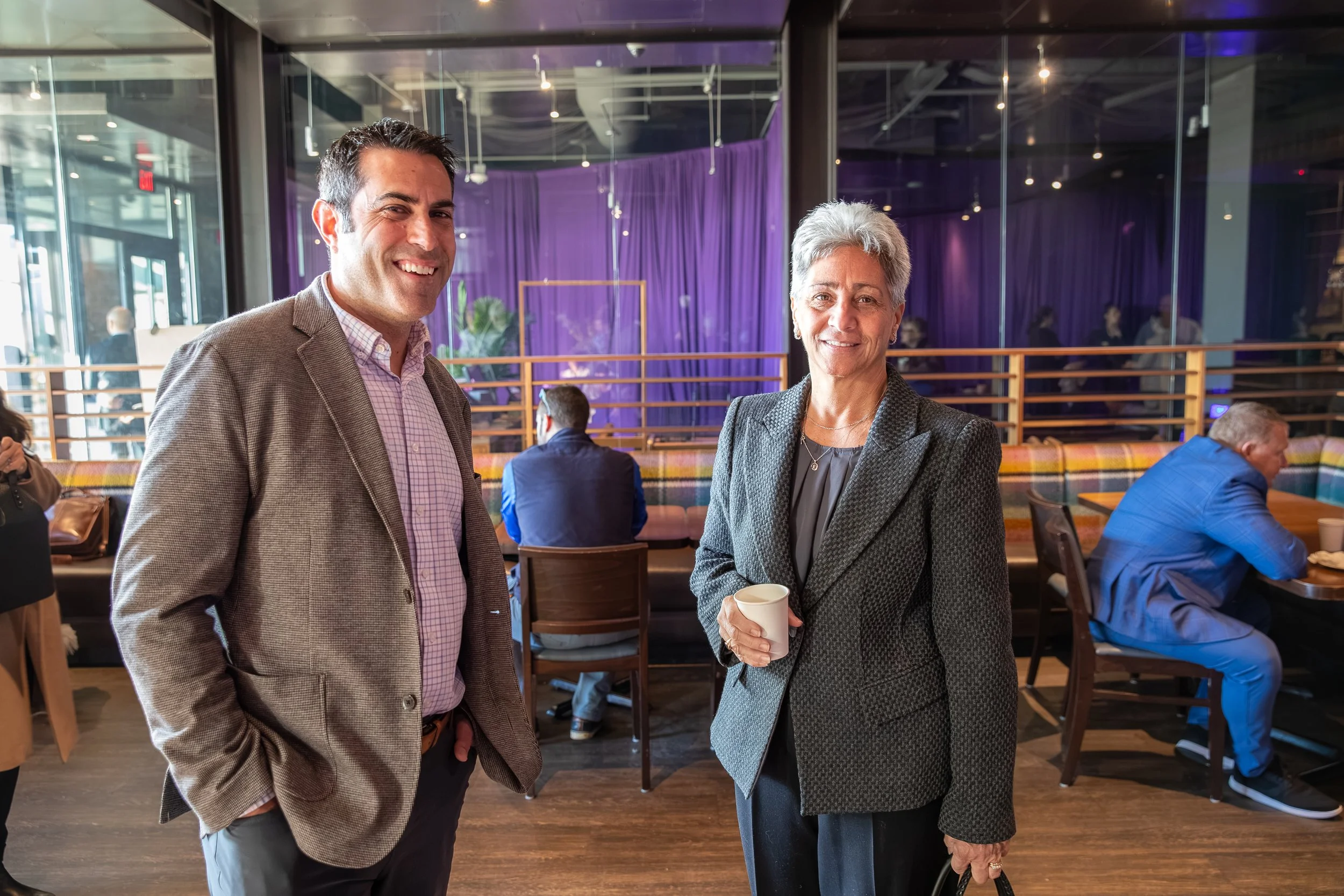
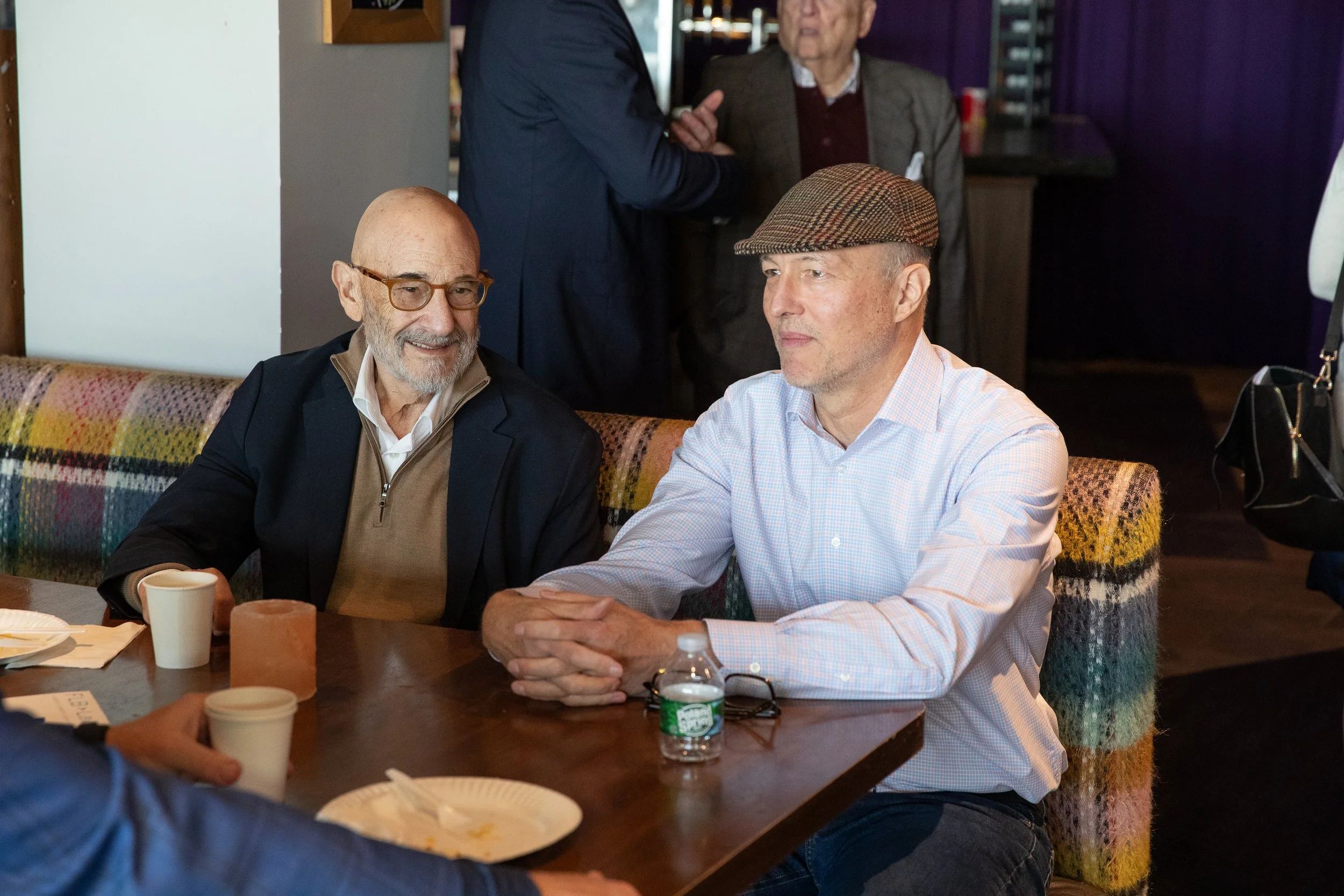
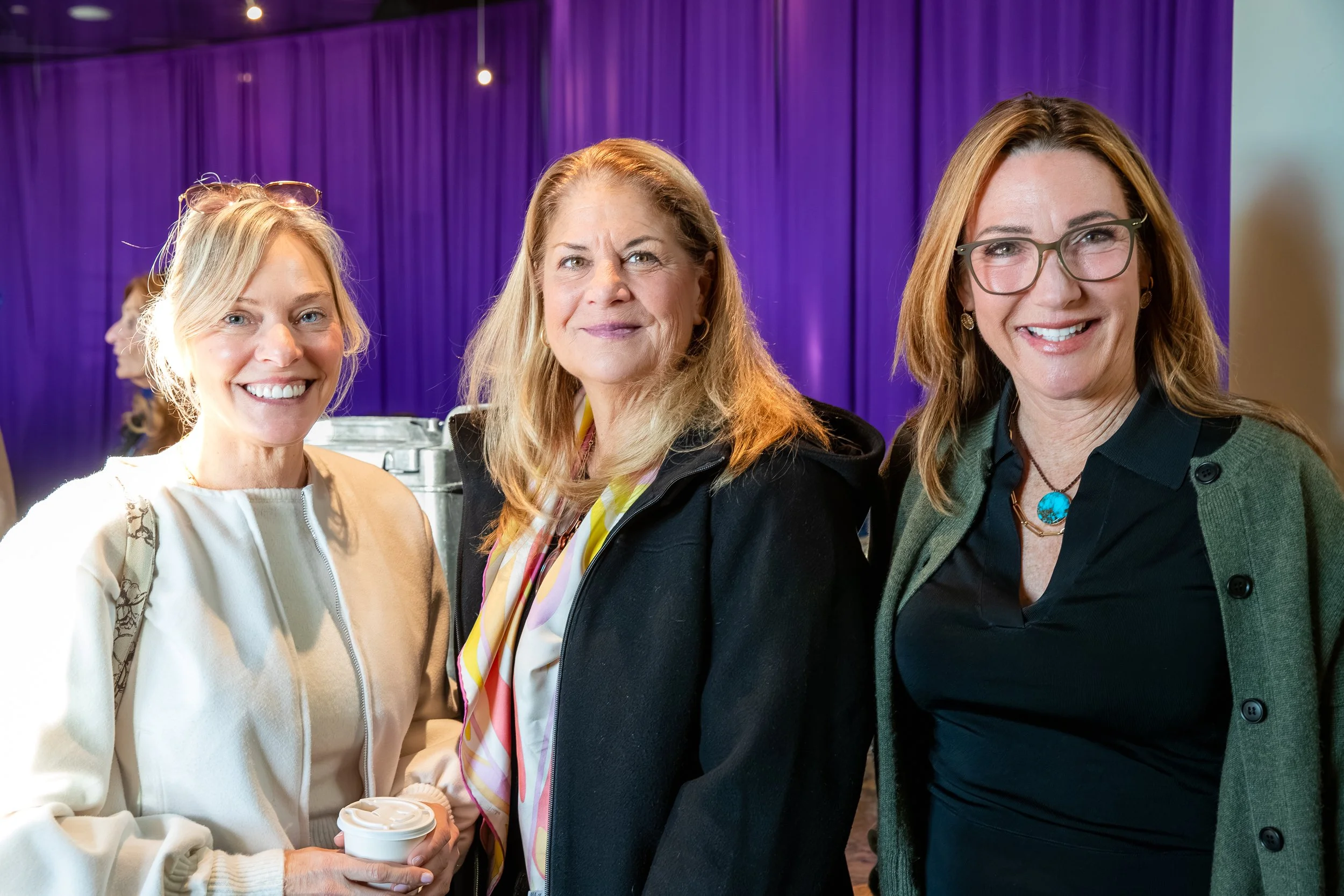
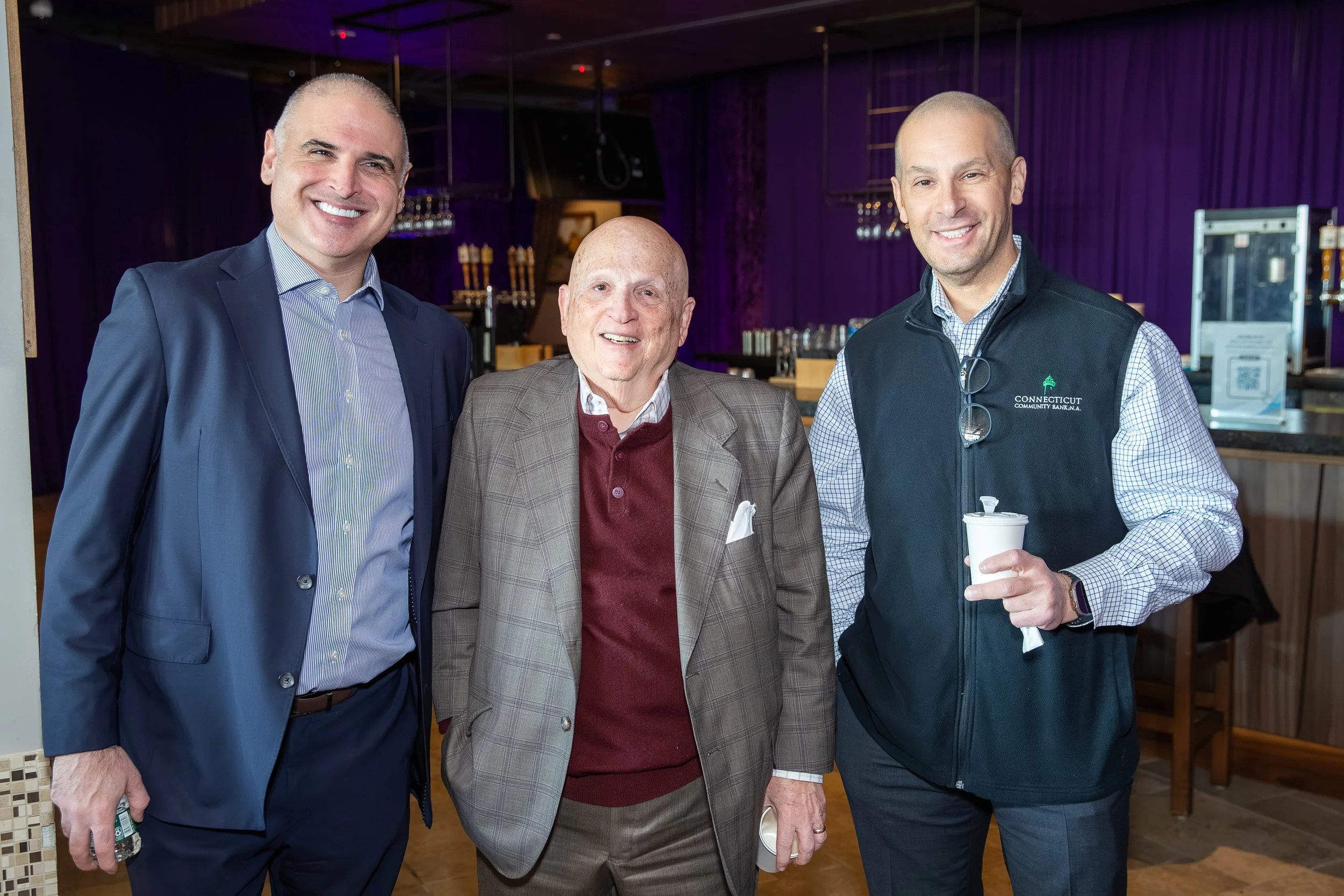
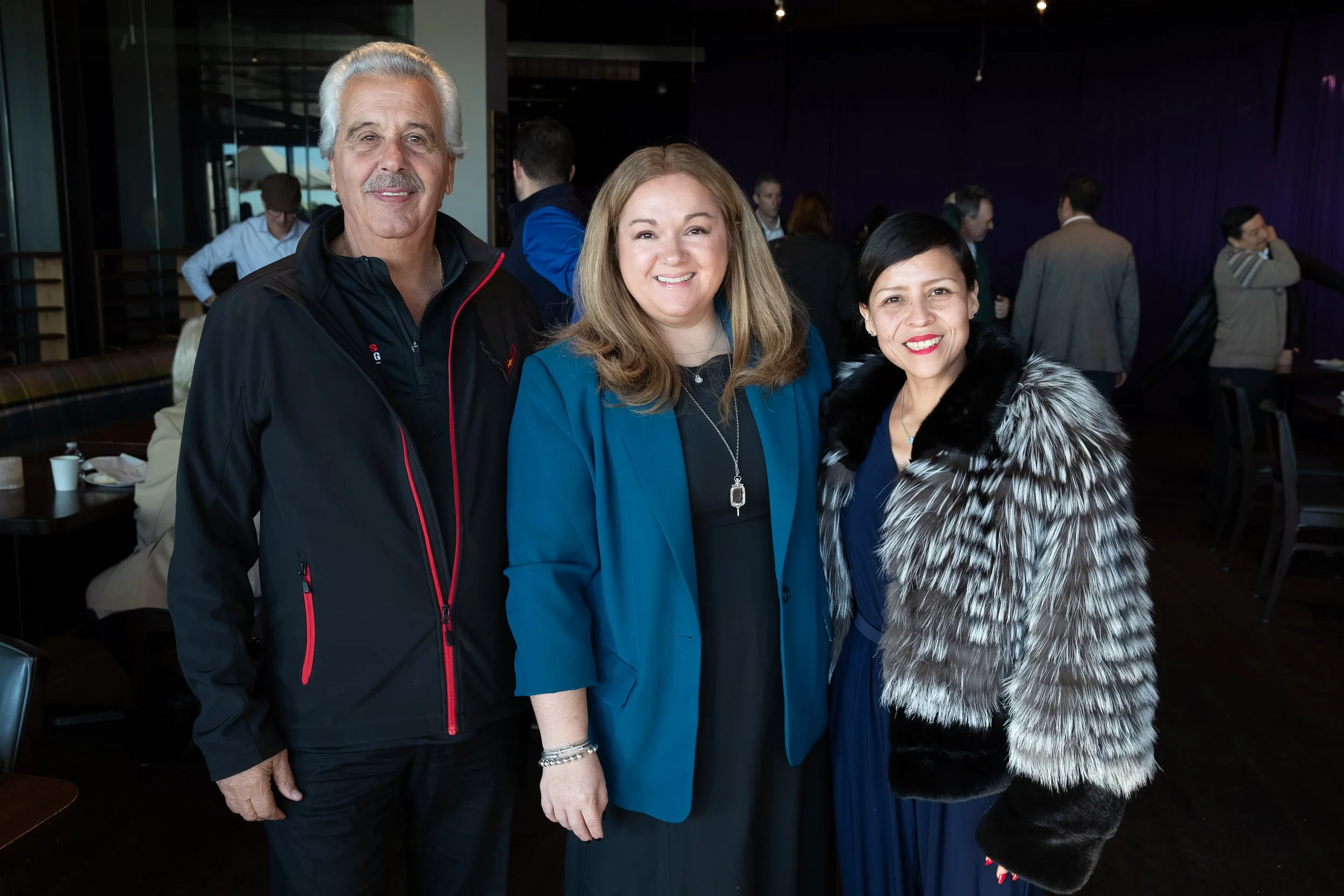
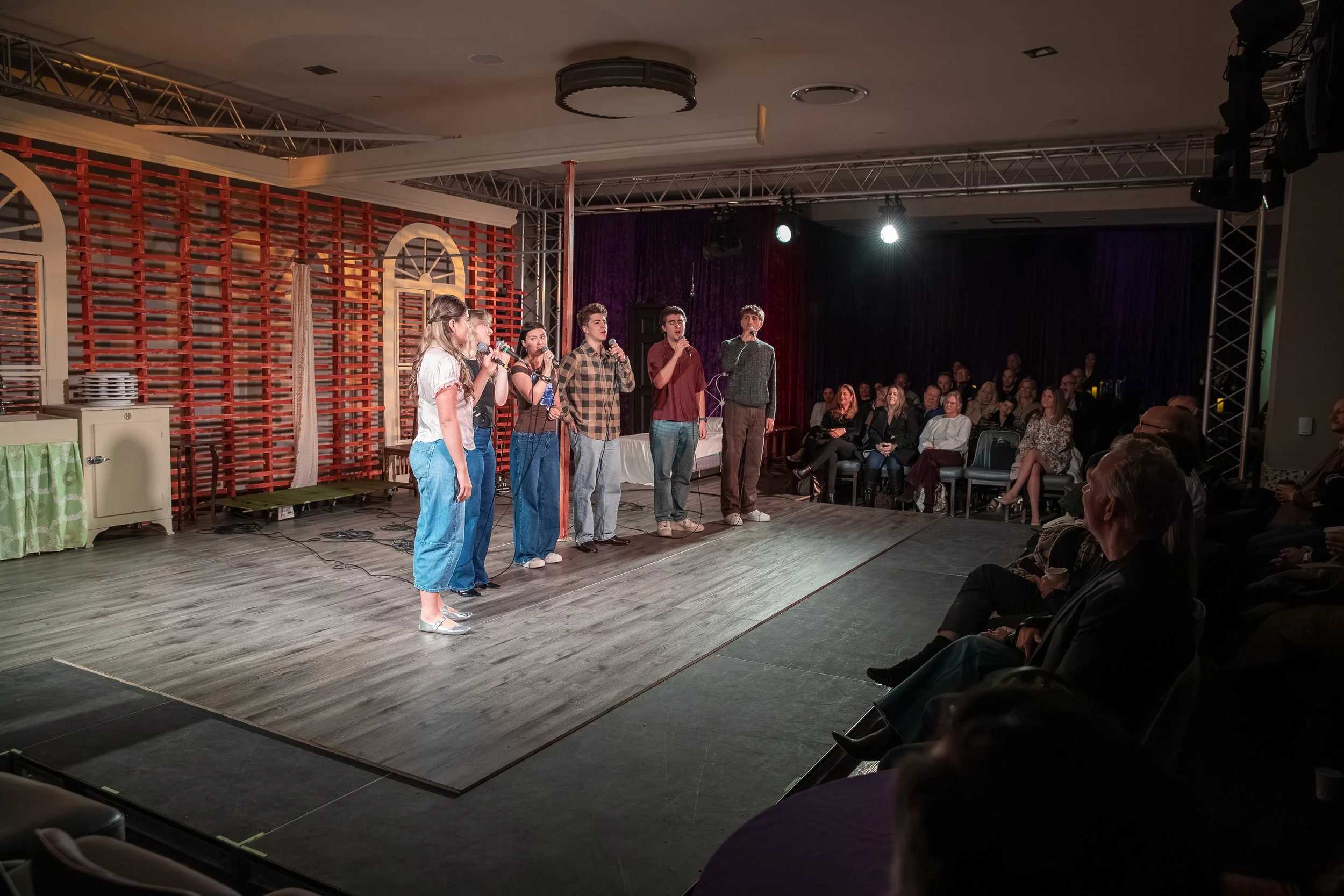
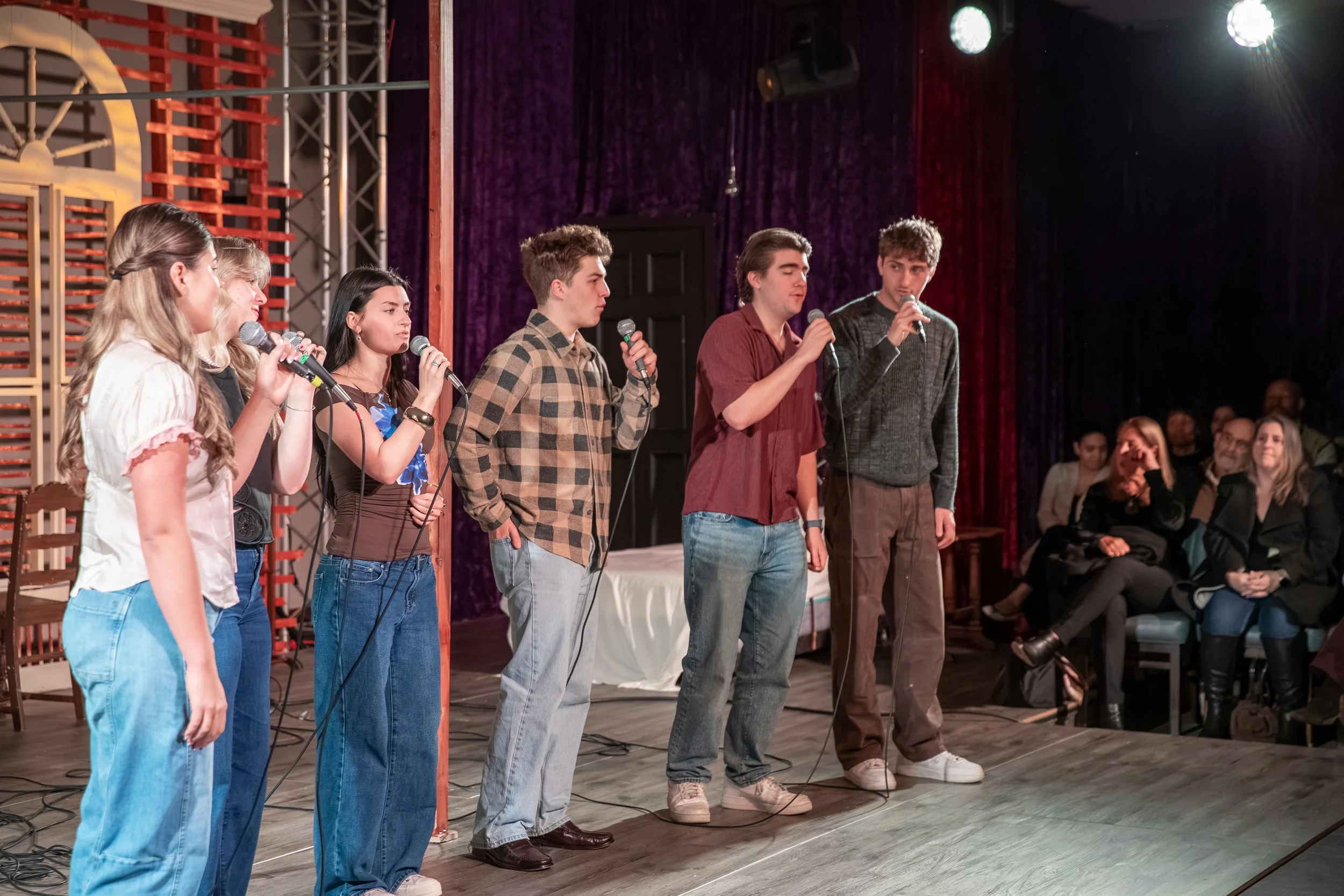
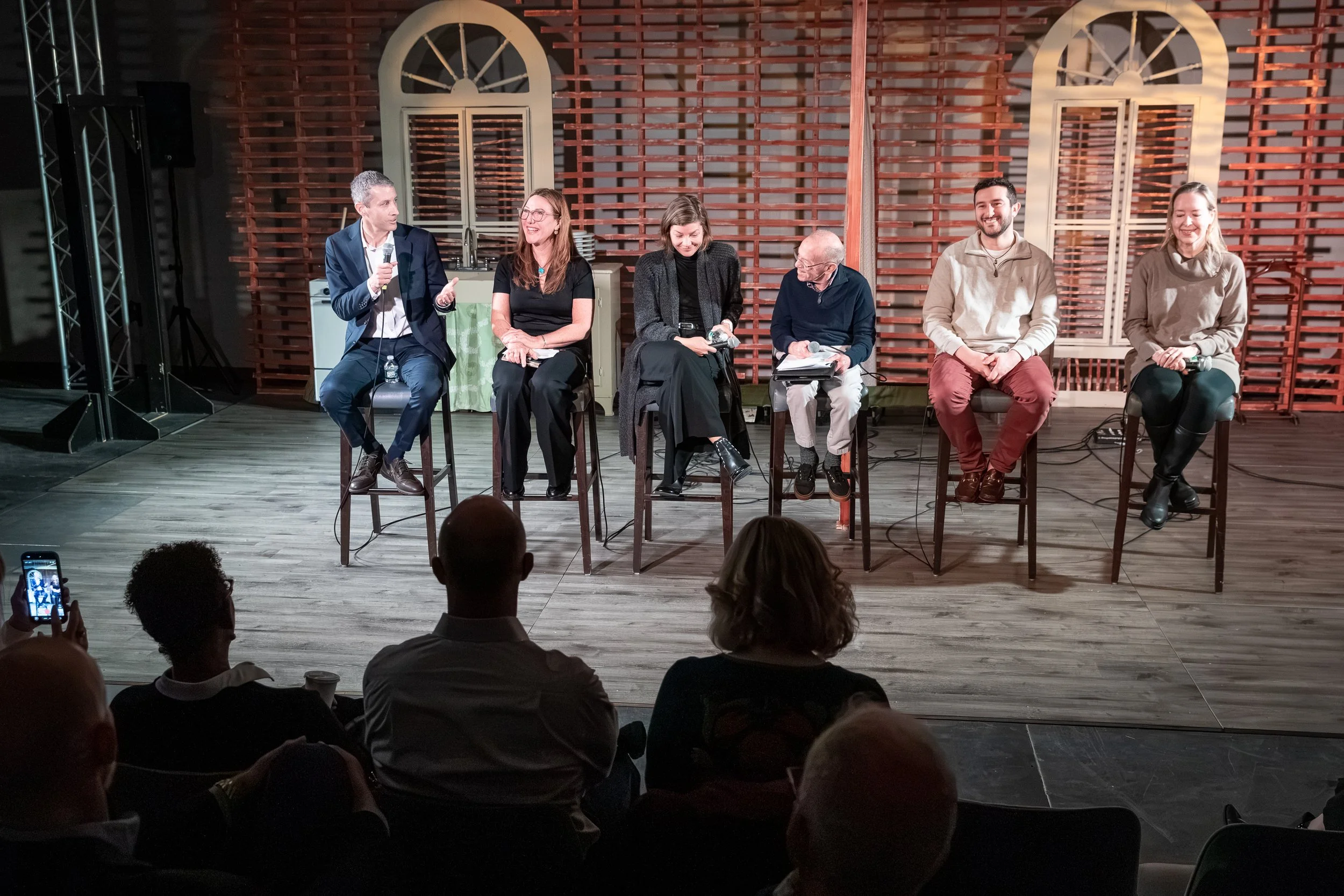
The event, hosted in partnership with Greater Norwalk Chamber of Commerce and the Westport-Weston Chamber of Commerce, was held at the former home of Pinstripes bowling alley. The Norwalk Conservatory of the Arts (NoCo) reimagined the vacant space, which now serves as a black box theatre for community viewings of student featured plays and musicals including its current show, A Streetcar Name Desire.
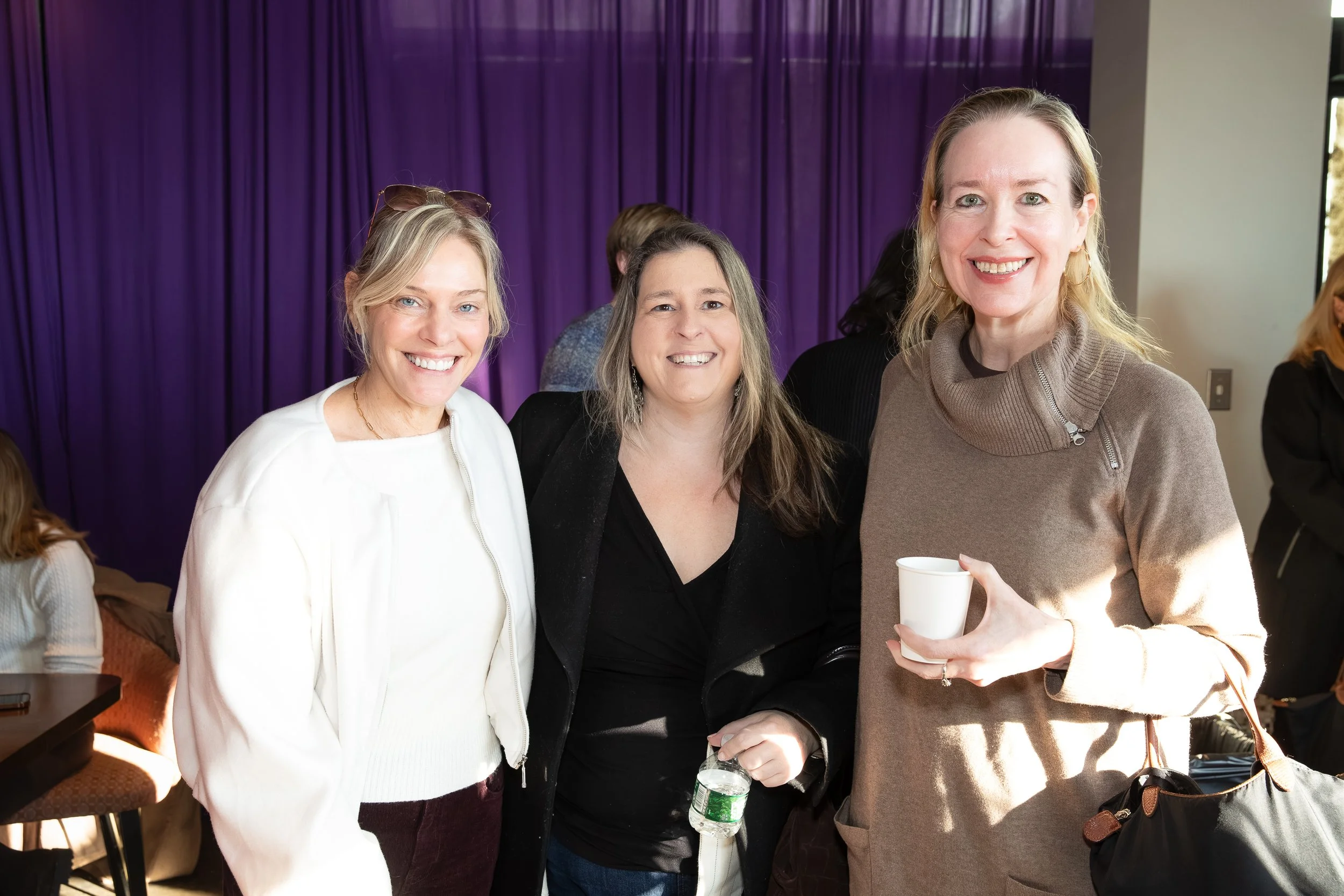
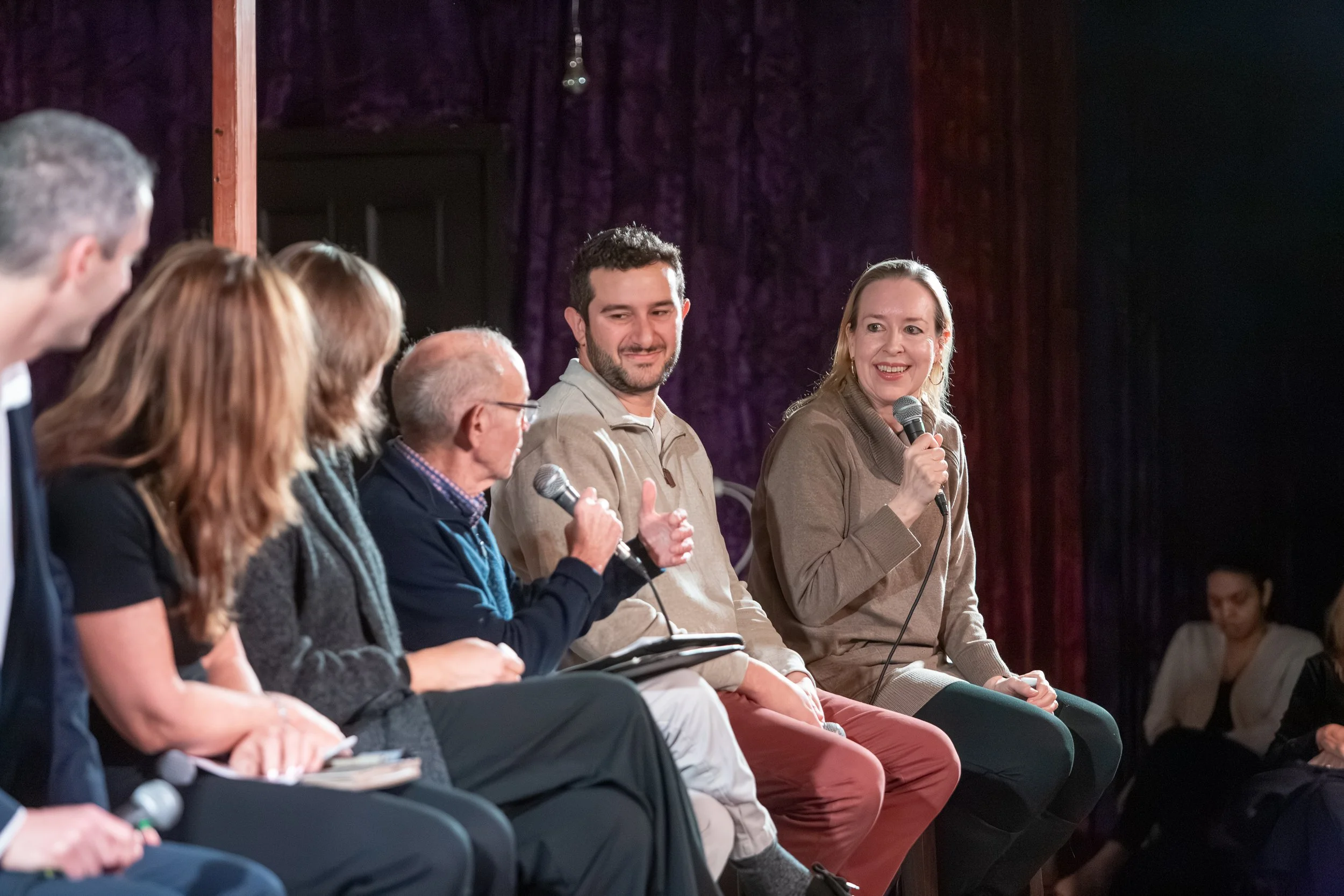
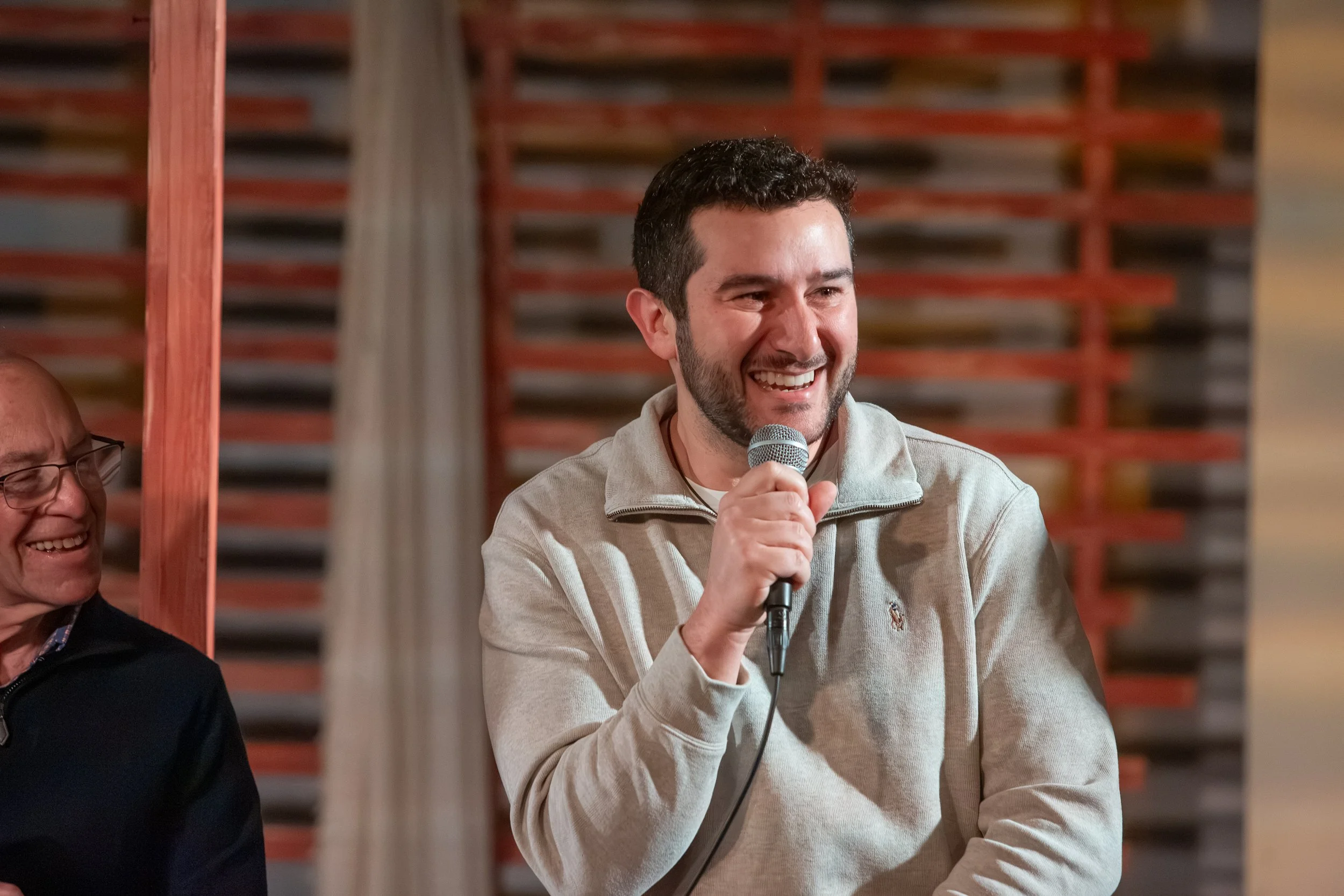
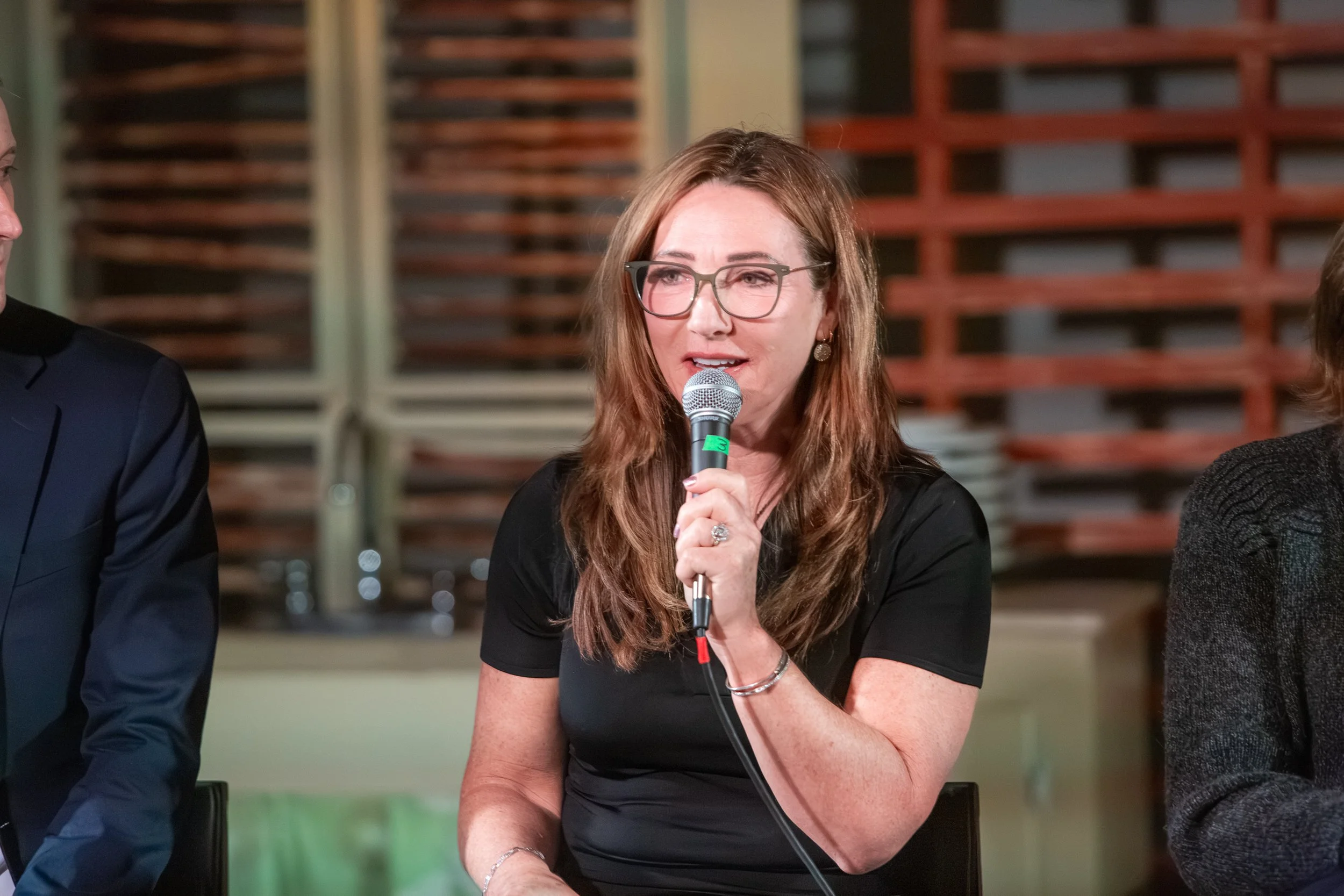
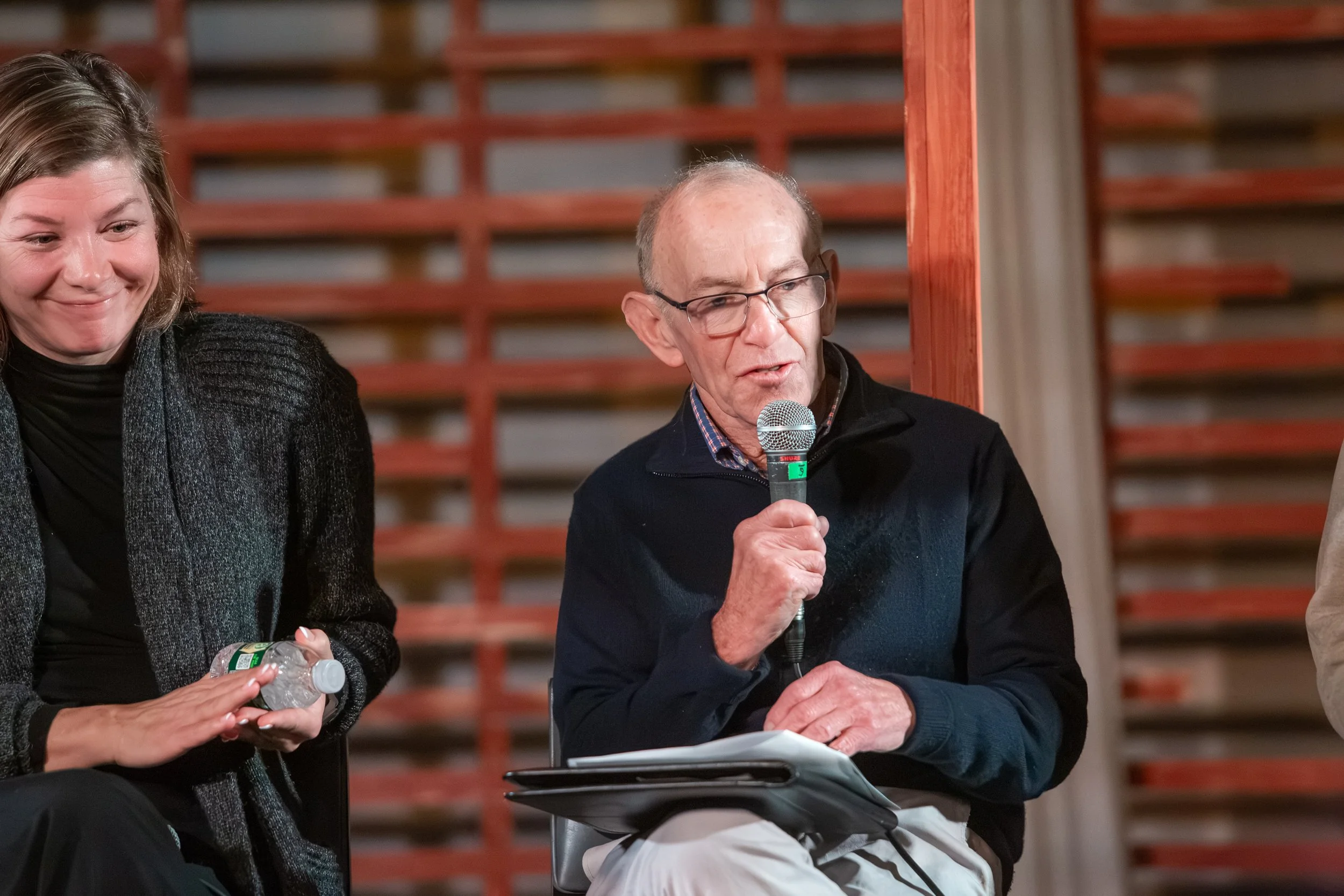
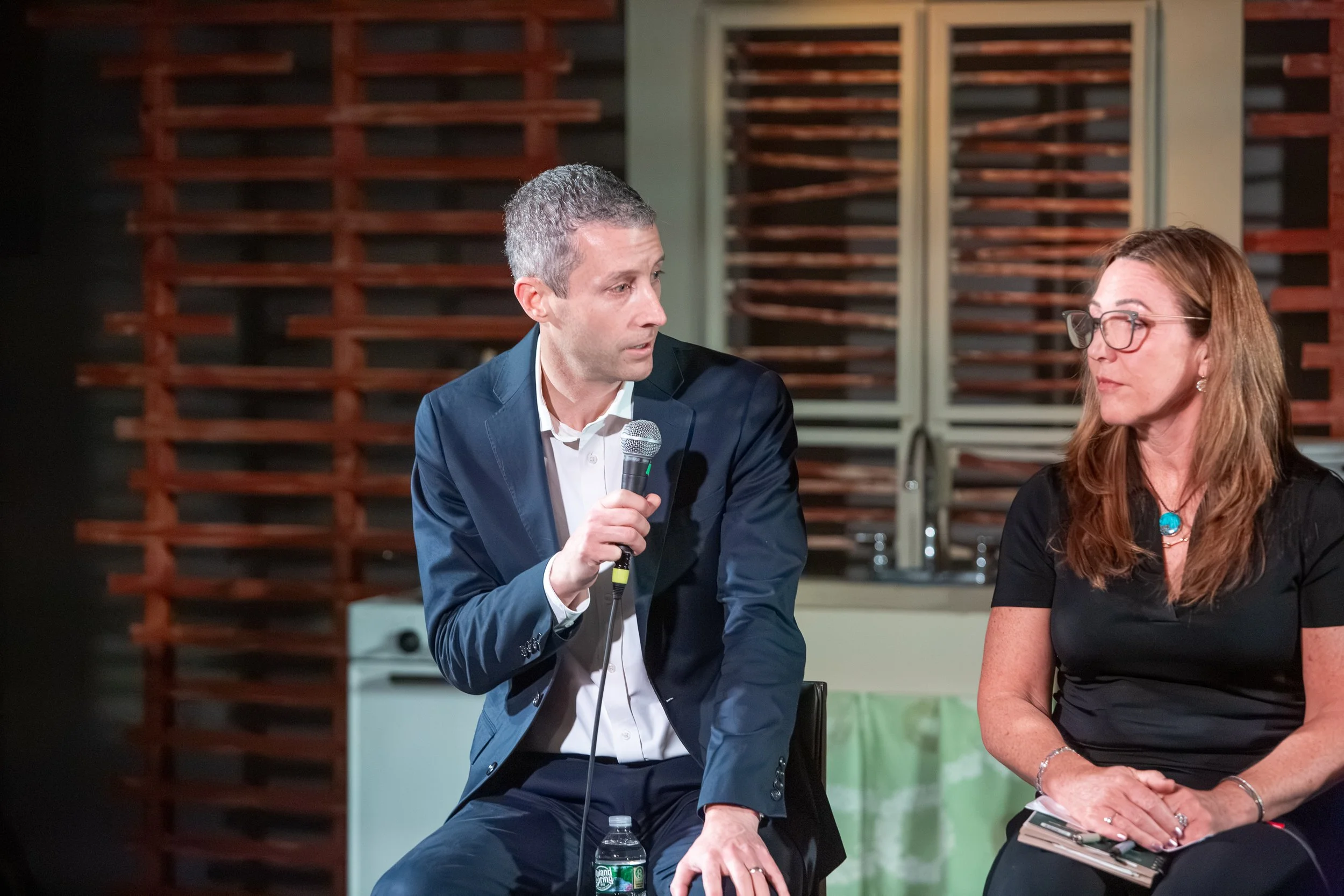
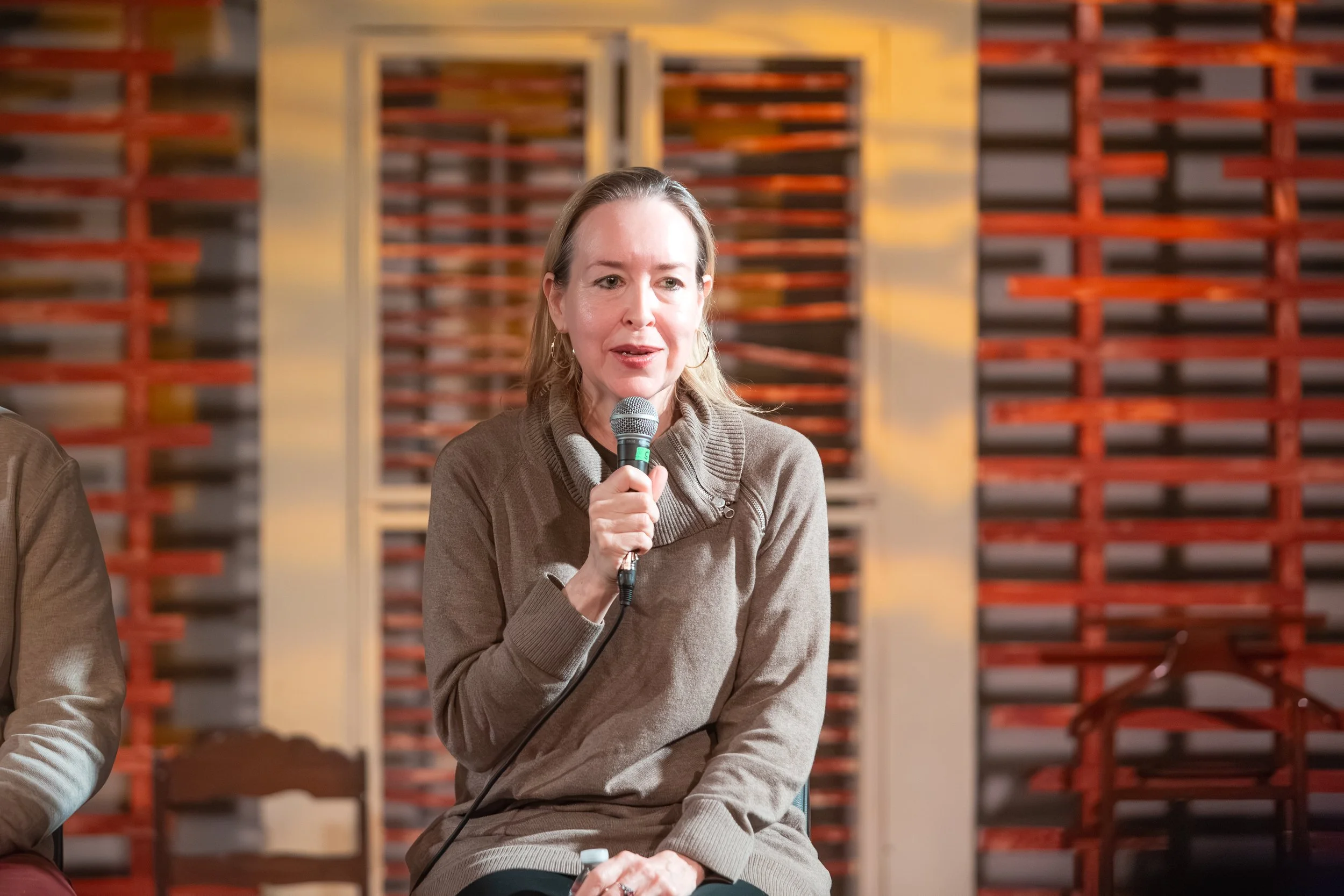
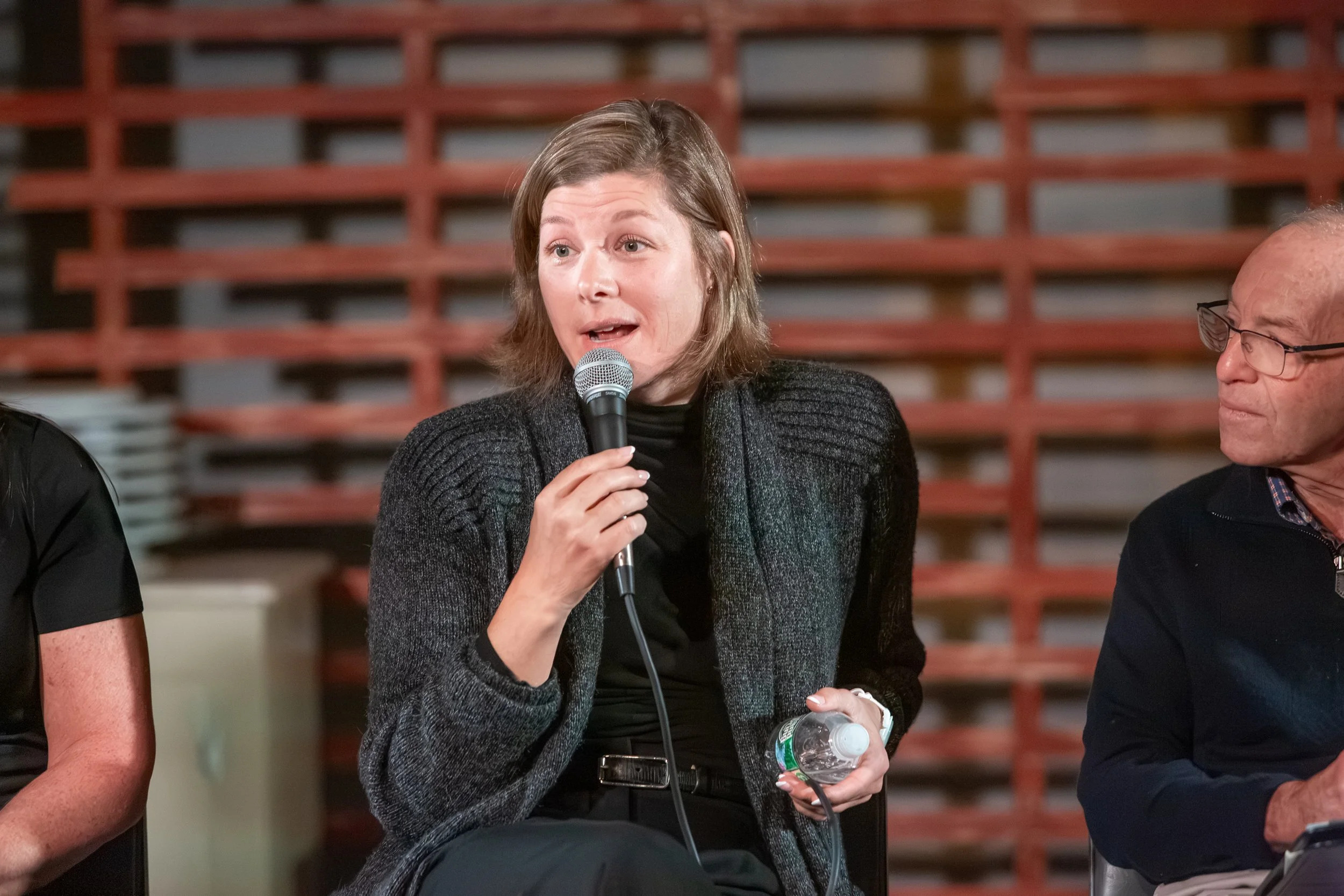
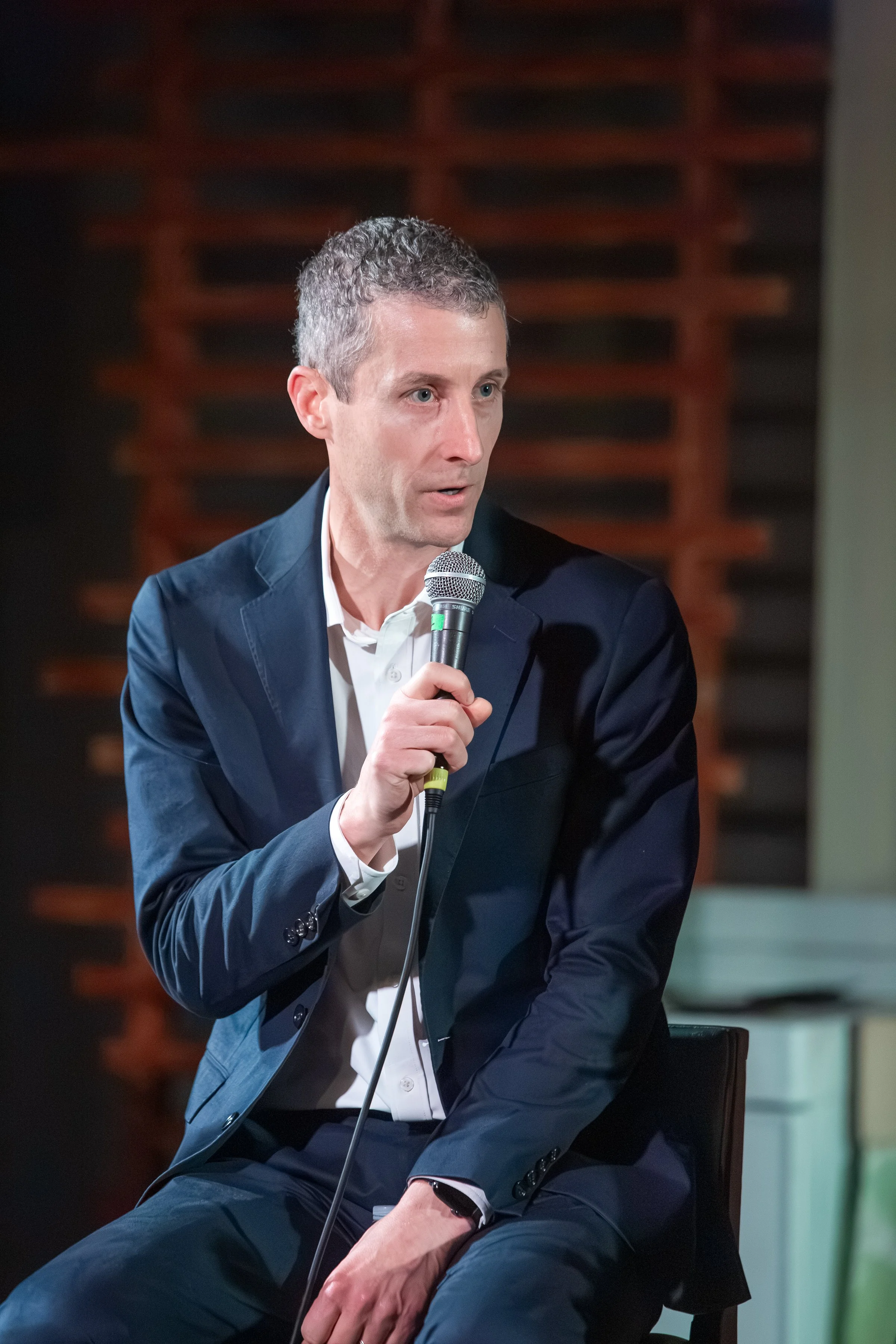
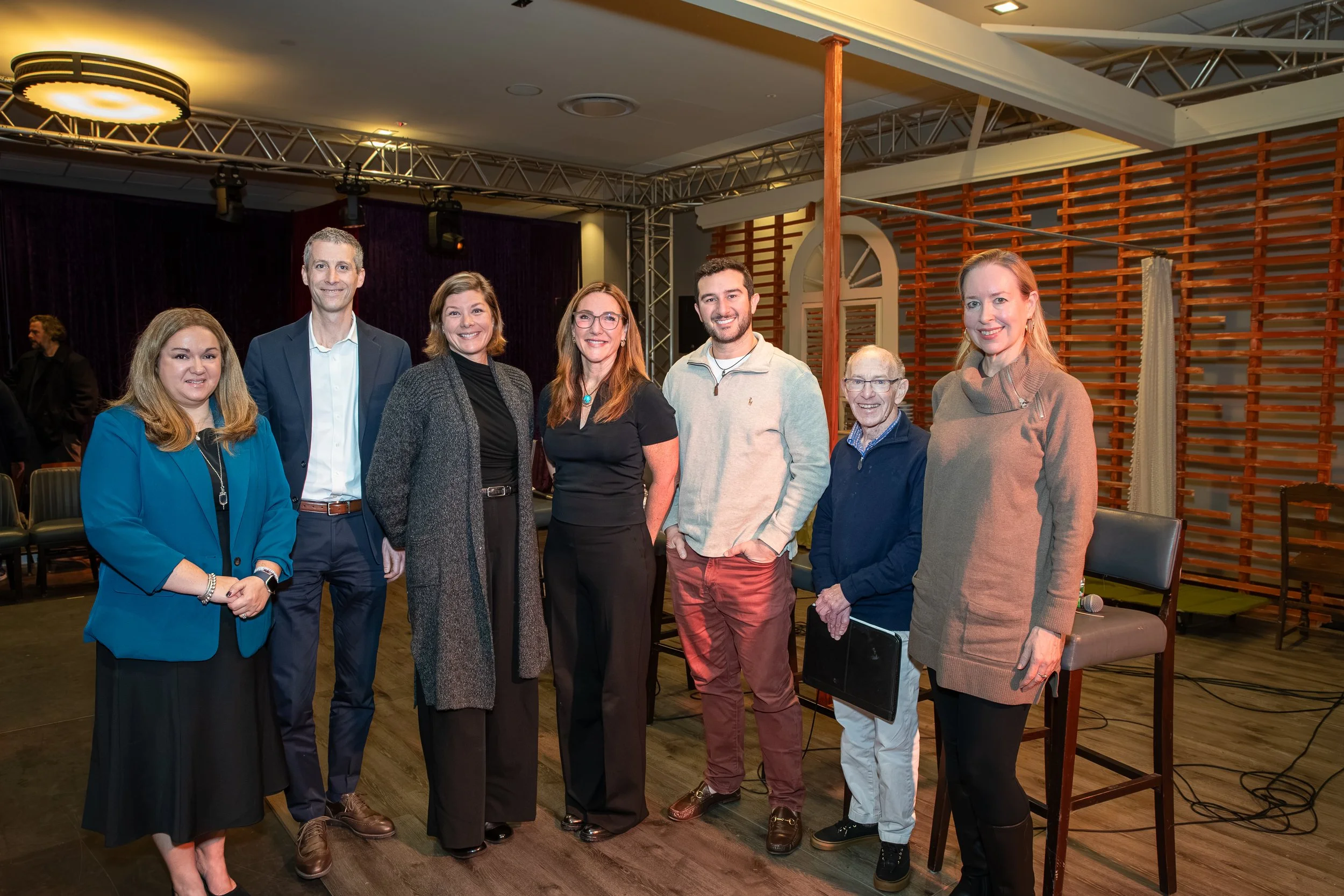
The morning opened with networking followed by a performance from NoCo students. Dan Woog, founder of 06880, moderated a panel discussion with Eric Bernheim, Managing Partner at FLB Law; Carleigh Welsh, Vice President, Executive Producer of the Levitt Pavilion; Danny Loftus George, President of NoCo; Jessica Vonashek, Executive Director of Manresa Island Corp.; and Darcy Hicks, Director of Education at The Norwalk Art Space.
The arts are an economic engine
In Connecticut, nonprofit arts and culture generate nearly $1 billion in economic activity, according to the Arts & Economic Prosperity 6 study by Americans for the Arts. Welsh called arts organizations "a magic multiplier." Every dollar invested returns to the community through jobs, tax revenue and audience spending on parking, dinner and shopping.
Bernheim sees the same effect from the commercial side. When his retail and restaurant clients evaluate a new location, nearby arts organizations are considered as a positive foot traffic generator. Arts audiences arrive earlier, stay later and need a place to eat and park. "Without people walking in the door, retail and restaurant clients not going to succeed," he said.
Creative deals make the spaces work
NoCo started with zero funding. Loftus George persuaded his landlord to give the Norwalk-based college its first Wall Street-area building nearly rent-free for the early years. His pitch was that 140 students and 60 faculty and staff walking the neighborhood every day would benefit the landlord’s other storefronts. The SoNo Collection likewise made the former Pinstripes space work within NoCo's budget, because it saw the value of bringing new foot traffic into the mall.
Bernheim pointed to two tools that help arts groups get off the ground. Connecticut law exempts real estate used by educational nonprofits from property taxes, and the right structure lets organizations take advantage of it. Zoning approvals are often the biggest hurdle. The Norwalk Art Space, for example, had to fit a gallery, a classroom and a cafe on a property with five parking spaces. He urged residents to attend zoning hearings and speak in support of arts projects, since opponents are usually the only ones who show up.
Manresa's second act is just beginning
Vonashek described Manresa Wilds, the transformation of a 125-acre former power plant site with two miles of coastline into a public park, making the coastline more accessible. Two years of community engagement made one thing clear: people want arts and culture on site. Twenty-eight acres are expected to open in about a year, and about 85% of the park by 2032. In the meantime, artists are showing up for photography days and capturing the most beautiful natural sights, and NoCo performers have already enjoyed tested the acoustics of the turbine hall.
A creative hub built on listening
Hicks, director of education at The Norwalk Art Space, described how the late arts patron Alexandra Korry saw a West Avenue rug shop that had once been a church and envisioned it as a home for underrepresented artists and a place offering free arts education to underserved students. In its five years, the Art Space has become “a creative hub for Norwalk and a place for people to gather,” Hicks said. Today, every exhibit and class there is free.
Their programming grows by listening to students. When one student wanted to apply to art school but had no portfolio, the Art Space created a portfolio class. When staff noticed students arriving hungry after school, they began providing free meals. Its artists in residence get a year of studio space and learn to teach their craft, and, as a result, several are now art teachers in the Norwalk Public Schools.
Hicks said the impact reaches well beyond a single class. Middle and high school students spend two hours after school off their screens in a safe space, making things with their hands, and making friends. The arts create a different future for the community. “It changes the landscape,” she said.
How you can help
The panel's advice was simple: show up. See a play or musical at NoCo or attend a concert at the Levitt, which presents 50 free concerts each season. Consider holding your next meeting at The Norwalk Art Space cafe. As Hicks noted, every latte helps fund free meals for students. Also, spend your nights out close to home. "You don't need to leave our general area to go out and enjoy a good night out," Bernheim said. "You're supporting these organizations, but also our local real estate.”
As a thank-you, FLB Law donated to each participating non-profit. We hope to see you at next year at the 10th anniversary of FLB’s Real Estate Outlook!