Opening a restaurant involves far more than signing a lease and beginning construction. Restaurant operators must coordinate permitting, design, construction, inspections, and vendor arrangements—all while working within the terms of their lease. Even minor issues in one area can push an opening back for weeks or months. Many of these risks can be managed with careful planning and thoughtful lease negotiations.
Below are five common issues that frequently delay restaurant openings, and some considerations tenants should keep in mind when negotiating a lease.
1. Permitting, Licensing, and Regulatory Approvals
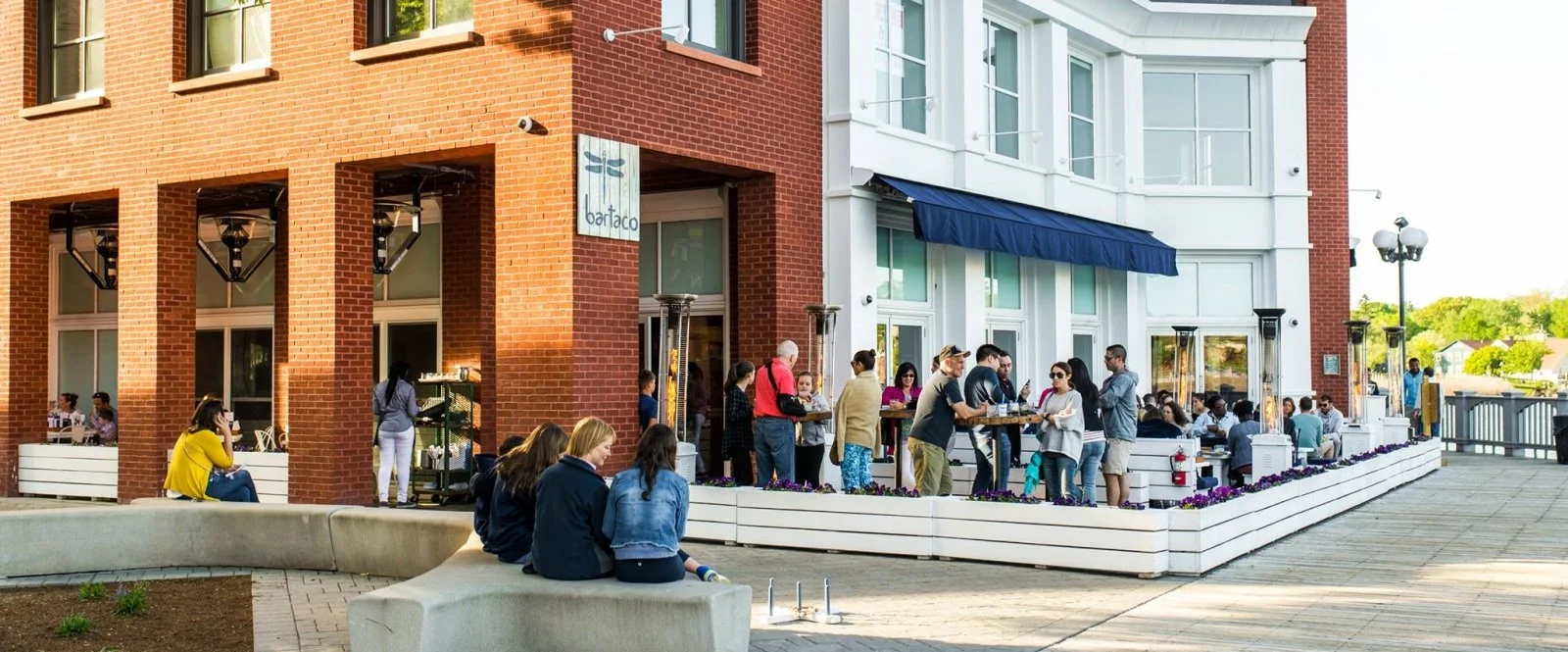
From local developments to national hospitality expansion, Eric D. Bernheim has handled real estate and land use work for leading restaurant brands, including bartaco locations nationwide.
Permits, licenses, and approvals are often the first major hurdle for a new restaurant. Operators need a range of governmental approvals before opening, including building permits, health department approvals, fire marshal inspections, and liquor licenses, which can take time, particularly if revisions are required or agencies are delayed.
Zoning compliance should be confirmed early, as local ordinances may impose additional requirements such as special permits or change-of-use approvals, and may affect ventilation, hours of operation, landscaping, or outdoor dining. Most commercial leases also require landlord approval of construction plans, and delays often arise when the process—particularly timing for submission, review, and approval—is not clearly defined.
Because these timelines can be unpredictable, tenants should avoid situations where rent begins simply because the lease has been executed, or a fixed date has passed. The rent commencement date should be triggered by, among other things, permits, licenses, and approvals.
2. Landlord Delivery and Premises Readiness
Restaurant tenants often rely on landlords to deliver the premises in a condition that allows construction to begin. If site work or other required improvements are incomplete, tenants may face delays in construction or obtaining final approvals for operations.
Tenants should negotiate day-for-day extensions of the rent commencement date for landlord-caused delays, ensuring they are not paying rent while waiting for required work to be completed.
Tenants should also consider negotiating pre-delivery access to the premises so that architects, engineers, and contractors can begin preconstruction due to diligence, reducing delays once the space is turned over.
3. Utilities, Infrastructure and Building Systems
Restaurants place heavy demands on utilities. Gas, electricity, water, and wastewater systems must be sufficient to support commercial kitchen operations, so tenants should confirm capacity before signing a lease. If upgrades are required, the lease should clearly allocate responsibility.
Increased usage may also trigger municipal connection or “tap” fees which tenants often negotiate for the landlord to cover. Restaurants may also require roof access to install ventilation or other systems, which should be addressed upfront.
Infrastructure issues discovered during construction are a common source of delay. In existing buildings, grease traps, grease lines, and ventilation systems may be poorly maintained or nonfunctional, adding time and cost before opening.
Landlords may also require odor mitigation systems, such as scrubbers systems, which can be expensive and are not always effective, so tenants often seek to limit those requirements. Tenants should also address how kitchen equipment is treated under the lease and seek representations that building systems—including grease infrastructure—are in working order upon delivery or negotiate for inspection rights and termination options if they are not.
4. Construction, Design and Buildout Coordination
Restaurant buildouts require careful coordination among architects, engineers, contractors, and regulatory authorities. Misalignment between design plans, construction schedules, and permitting requirements can lead to costly delays, particularly when revisions are required for mid-project or inspections are not sequenced properly.
To minimize these risks, tenants should engage their design and construction teams early and establish a clear timeline that accounts for approvals, material procurement, and construction milestones. Close coordination among all parties—combined with proactive project management—can help identify potential conflicts early and keep the buildout process on schedule.
5. Lease Structure and Risk Allocation
Many of the risks associated with delayed restaurant openings can be mitigated through careful lease negotiation. Key provisions—such as rent commencement, delivery conditions, approval timelines, and responsibility for utilities and infrastructure—should be clearly defined and tailored to the realities of restaurant development.
Tenants should ensure rent does not commence before they can legally and practically operate and that they are protected from landlord delays, regulatory approvals, or building deficiencies, with clear cost allocation, timelines, and remedies.
–
Opening a restaurant requires careful coordination long before the doors open. Proactively addressing these issues in the lease can help minimize delays, allocate risk appropriately, and protect tenants from unnecessary costs.
Eric D. Bernheim, a managing partner at FLB Law in Westport, Conn., represents local restaurants and national hospitality groups, as well as developers, municipalities, lenders, and individuals, in transactions of all kinds, including leases, acquisitions, dispositions, and financing, in addition to handling zoning and land use matters. Eric can be reached at 203.635.2200 and via email at bernheim@flb.law. For more information about FLB Law, click here.